
A useful building materials enquiry gives the supplier a clear picture of the project and makes outstanding questions visible. You do not need to have every detail settled before the first conversation. However, separating confirmed requirements from open decisions helps the discussion move forward.
For interior materials, a short project brief supported by drawings and finish references is often more useful than a long list of product names. This checklist explains how to organise that information.
Start with the application and material scope
Describe the building area and intended application. For example, distinguish wall finishes from door surrounds, interior boards or finishing accessories. If the project includes several product families, list them separately so quantities and specifications do not become mixed together.
Include a reference photograph when it helps explain the appearance you want. Label it as a design reference if it is not a photograph of the exact material being ordered. Our materials collection provides starting points for discussing the product scope.
Attach drawings and identify the current version
Provide drawings that show dimensions, junctions and relevant openings. Mark the date or revision on each file and explain which details still need confirmation. This is particularly useful when a panel layout or profile must coordinate with other materials.
If formal drawings are not yet available, a clearly labelled sketch can help begin the conversation. It should still distinguish approximate dimensions from confirmed measurements. The final production brief needs an agreed specification.
Explain the finish and sample requirements
Share the desired colour, texture, pattern direction and any approved sample references. State whether the enquiry is for an initial sample discussion or for a material that has already been approved by the project team.
Where the project has performance requirements, identify them explicitly and ask what documentation is available for the proposed material. Avoid treating a general product-family description as confirmation that a specific requirement has been met.
Make the quantity schedule easy to review
Use consistent units and separate different sizes or finishes. A schedule might include a product reference, dimensions, quantity, unit and drawing reference. If quantities are estimates, label them that way and explain when final measurements are expected.
- Keep different product families on separate lines.
- Indicate whether accessories are included in the request.
- Identify repeated rooms or phased areas where relevant.
- Note any packaging or identification requirements for site handling.
This structure helps the supplier ask focused questions and makes later quotation comparisons more meaningful.
Include the destination and project timing
State the delivery destination and the date materials are required for the project. Distinguish that date from the preferred order date. If the project has several phases, explain the sequence so delivery planning can be discussed alongside the product specification.
Lead time, minimum order quantity and transport arrangements should be confirmed in the quotation. They depend on the agreed order and should not be assumed from a general website description.
Give the enquiry a clear point of contact
Add a contact name, business email and company details. Explain who can approve technical questions, samples and commercial terms. Keeping those responsibilities clear reduces the risk of different versions of the brief circulating at the same time.
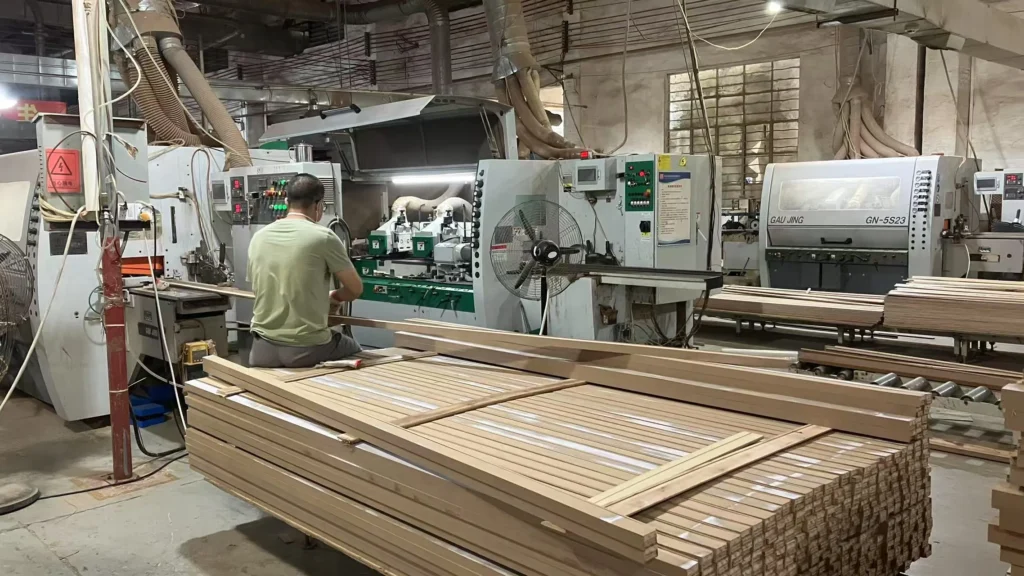
BCON’s factory photographs offer a view of the workshop and material handling environment. To discuss your own requirements, send an enquiry with a concise summary. The first conversation can identify which drawings, references and quantities are needed next.